
Designing efficient spur gear systems for industrial applications involves considering several key factors to optimize performance and reliability. Here are some important aspects to focus on when designing spur gear systems for industrial use:
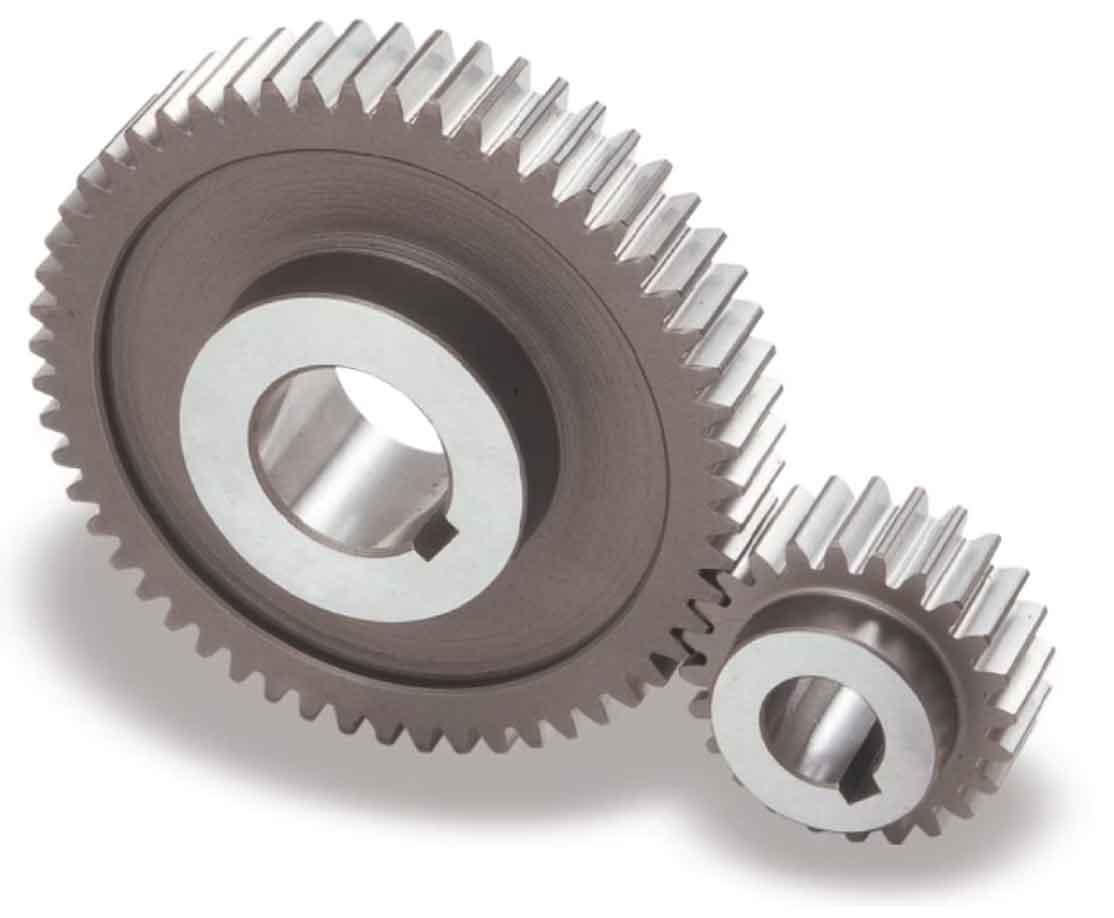
1. Gear Pair Selection:
Choose the appropriate gear pairs based on the desired speed and torque requirements of the industrial application. Consider factors such as load capacity, speed ratio, and tooth module to ensure optimal gear pairing for efficient power transmission.
2. Gear Ratio and Speed:
Determine the gear ratio to achieve the desired speed reduction or increase in the gear system. Select gear pairs with suitable tooth counts to achieve the desired gear ratio while maintaining efficient power transmission. Consider the input and output speeds required for the application and balance them with the gear ratio selection.
3. Tooth Profile and Geometry:
Ensure proper tooth profile and geometry to minimize friction, wear, and power losses. The involute tooth profile is commonly used for its smooth engagement characteristics. Pay attention to tooth thickness, pressure angle, and addendum modification to optimize load distribution and minimize stress concentrations.
4. Material Selection and Heat Treatment:
Choose high-quality gear materials with excellent strength, wear resistance, and durability for industrial applications. Common materials include alloy steels or specialized gear steels. Employ appropriate heat treatment processes such as carburizing, quenching, and tempering to enhance the material’s properties, including hardness and resistance to wear.
5. Lubrication and Cooling:
Proper lubrication is essential to reduce friction, wear, and heat generation in spur gear systems. Select the right lubricant with suitable viscosity and additives for the operating conditions. Consider implementing lubrication systems that ensure consistent and sufficient lubrication to all gear teeth. Cooling mechanisms such as fans or oil circulation can be employed to maintain optimal operating temperatures and prevent overheating.
6. Backlash Control:
Minimize backlash in the gear system to improve positional accuracy and reduce lost motion. Design the gear meshing with appropriate clearances and proper manufacturing tolerances. Ensure accurate alignment and tight control of gear meshing to minimize backlash, resulting in efficient power transmission and precise motion control.
7. Quality Control and Maintenance:
Implement stringent quality control measures during the manufacturing process to ensure gear accuracy, tooth profile integrity, and dimensional consistency. Perform regular maintenance and inspections to identify and address any potential issues early on, ensuring optimal performance and longevity of the gear system.
8. Noise Reduction Measures:
Spur gears can generate noise during operation, primarily due to the abrupt tooth engagement. Implement noise reduction techniques such as profile modifications, tooth crowning, or the use of noise-damping materials. These measures help minimize noise levels, creating a more comfortable and efficient working environment.
By considering these factors, designers can optimize the efficiency and reliability of spur gear systems for industrial applications. Careful selection of gear pairs, proper tooth profile and geometry, suitable materials and heat treatment, efficient lubrication, backlash control, quality control, and noise reduction measures contribute to the overall performance and longevity of the gear system in industrial settings.