
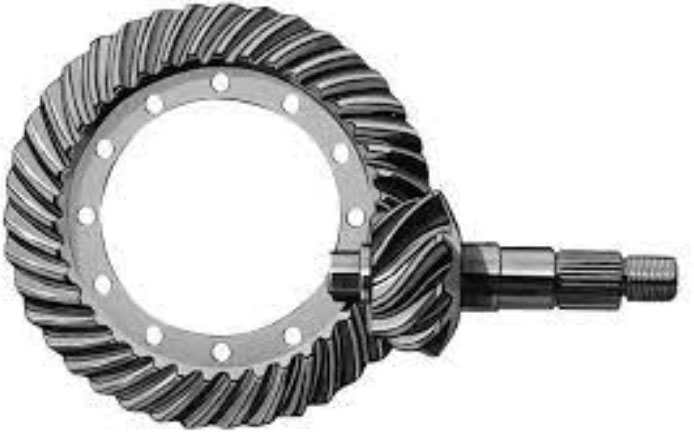
Designing hypoid gear drives requires careful consideration of various factors to ensure precision and optimal performance. Here are key aspects to focus on during the design process:
1. Load Analysis and Torque Requirements:
- Determine the load conditions and torque requirements of the gear drive to select suitable gear materials and optimize gear sizes for the desired torque capacity.
2. Gear Geometry and Tooth Profiles:
- Optimize gear geometry and tooth profiles to achieve smooth and accurate gear meshing. The selection of proper pressure angles, helix angles, and gear ratios is critical for efficient power transmission.
3. Gear Design Software and Simulation:
- Utilize computer-aided design (CAD) software and advanced simulation tools to model gear behavior, meshing, and contact patterns. Simulation allows for virtual testing and optimization of gear performance before physical production.
4. Lubrication and Cooling:
- Proper lubrication and cooling are essential for hypoid gears, especially considering the sliding contact between gear teeth. Design efficient lubrication systems to ensure gear reliability and longevity.
5. Shaft Alignment and Bearing Selection:
- Precisely align the pinion and gear shafts to avoid misalignment-induced issues. Select appropriate bearings to support the gear shafts and ensure smooth operation.
6. Noise Reduction Techniques:
- Incorporate profile modifications, such as lead crowning or tip relief, to reduce gear noise and vibrations. This is particularly important in applications where noise reduction is critical, like in automotive differentials.
7. Heat Treatment and Surface Treatment:
- Choose the right heat treatment process to achieve the desired hardness and durability of gear surfaces. Surface treatments, like shot peening or coatings, can further enhance wear resistance and fatigue life.
8. Material Selection:
- Select high-quality materials that match the application’s demands, considering factors like load capacity, wear resistance, and heat treatment compatibility.
9. Dynamic Balancing:
- Ensure all rotating components are dynamically balanced to minimize vibrations and prevent undue stress on the gear drive.
10. Gearbox Sealing and Protection:
- Implement effective sealing to prevent contamination and protect the gears from debris, moisture, and external elements.
11. Design Verification and Testing:
- Perform prototype testing and verification to assess gear drive performance under real-world conditions. Analyze results and make necessary adjustments to improve design accuracy.
12. Manufacturing Precision:
- Collaborate closely with experienced gear manufacturers capable of producing high-precision gears using advanced manufacturing techniques.
13. Maintenance Considerations:
- Design the gear drive with ease of maintenance in mind, allowing for access to critical components and lubrication points.
By focusing on these aspects during the design phase, engineers can achieve precision and optimal performance in hypoid gear drives, resulting in reliable and efficient power transmission in various applications across industries. Regular inspection and maintenance throughout the gear drive’s service life will further ensure its long-term performance and reliability.