
The automotive industry represents a cornerstone of modern manufacturing and consumption. As a leading nation in both production and sales volume for many consecutive years, the demand for high-performance automotive lubricants is substantial. Among these, the grease used for steering gear systems is particularly critical as it directly relates to vehicle safety. The steering gear worm gears grease provides essential lubrication to the meshing surfaces, achieving anti-wear and friction-reduction effects. This is fundamental for enhancing the operational reliability and extending the service life of the entire steering system.
For years, the market for medium and high-end Electric Power Steering (EPS) systems, along with their specialized lubricants, has been dominated by international suppliers. The worm gear set is the core transmission component within an EPS system, and the performance of the grease applied to these worm gears is paramount. The reliance on imported lubricants for these critical applications highlighted a significant gap in the domestic supply chain. To support the robust growth of the domestic automotive sector and achieve technological independence, a comprehensive research and development project was undertaken to formulate a high-performance grease specifically engineered for EPS steering system worm gears.
This article details the development process, from analyzing the stringent operational demands of EPS worm gears to the selection of raw materials, formulation optimization, and rigorous performance validation. The goal was to create a product that not only matches but surpasses the performance of established international benchmarks.
Operational Conditions and Lubrication Requirements for EPS Worm Gears
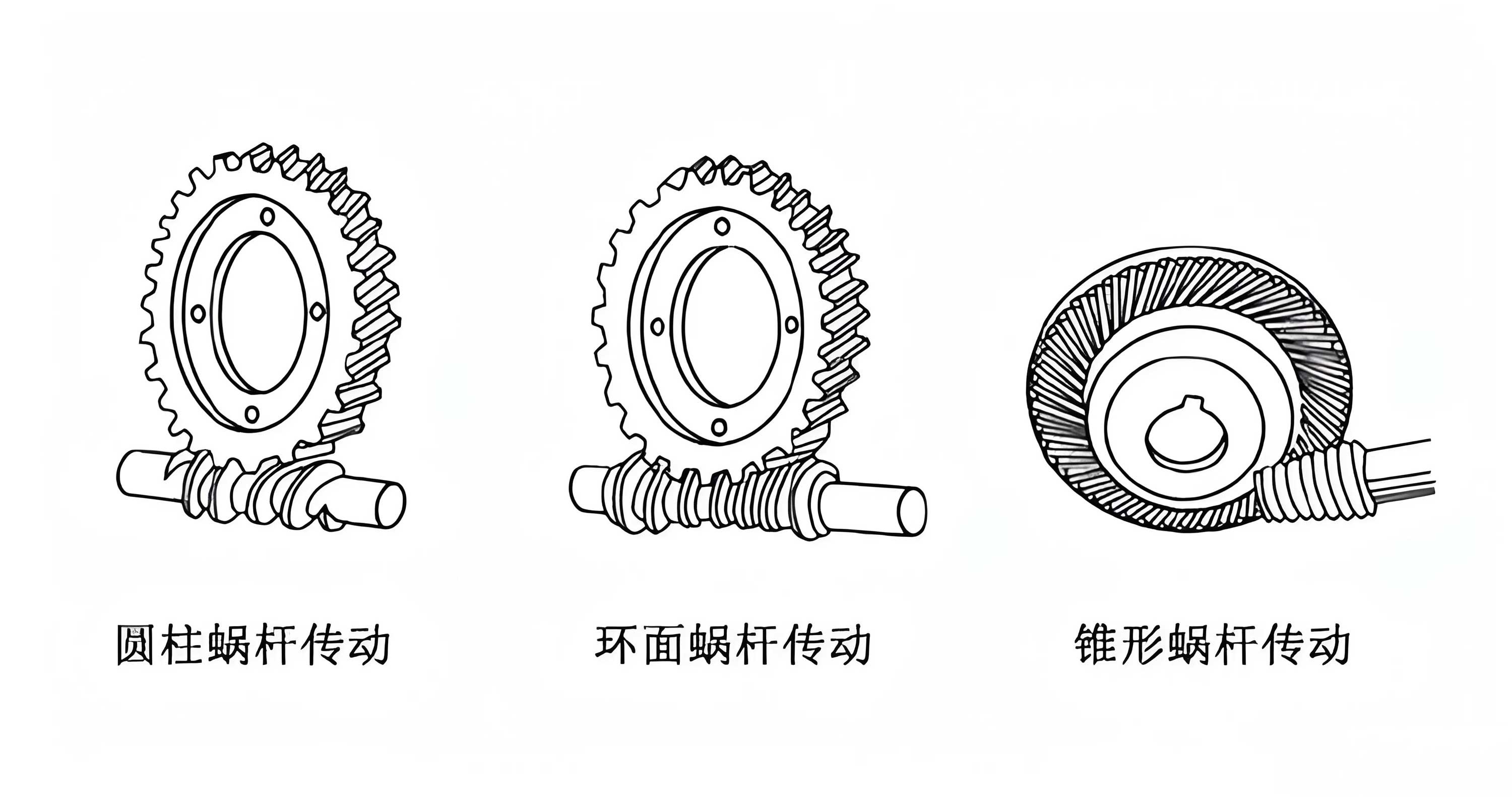
The operating environment for automotive EPS worm gears is exceptionally demanding. Vehicles experience wide ambient temperature fluctuations, from frigid winter lows to scorching summer highs, requiring the grease to remain functional across a broad temperature spectrum. During steering maneuvers, the worm gear engages with the worm wheel, involving a combination of sliding and rolling motion. To optimize contact and load distribution, the worm wheel is often crowned (given a curved tooth profile), resulting in a concentrated line contact rather than a broad area. This leads to high contact stresses. Crucially, the interaction between the worm and wheel involves significant sliding friction, which is inherently more challenging to lubricate than pure rolling contact.
EPS systems are designed for the life of the vehicle, necessitating “lifetime lubrication” without maintenance. The friction pair itself is a composite: the worm is typically made of hardened steel, while the worm wheel is manufactured from engineering plastics like nylon (PA) or glass-fiber-reinforced nylon. This creates a metal-polymer (steel-plastic) friction interface. Furthermore, the EPS system’s location in the vehicle’s undercarriage exposes it to potential contaminants like water, road salt, and dust.
Based on these harsh conditions, the ideal grease for EPS worm gears must possess the following key characteristics:
- Exceptional durability and oxidation stability for reliable lifetime lubrication.
- Superior anti-wear and load-carrying capacity to prevent abnormal noise (NVH issues like squeal) and stick-slip phenomena (judder).
- A wide operational temperature range, typically from -40°C to 120°C.
- Low startup and running torque at low temperatures to ensure easy steering effort in cold climates.
- Excellent compatibility with non-metallic materials, specifically the plastic worm wheel and any adjacent rubber seals.
Translating these requirements into measurable targets led to the establishment of key technical indicators for the new grease formulation. It is critical to note that while standard bench tests evaluate properties like extreme pressure, low-temperature torque, and oxidation stability, the unique steel-plastic interface of the worm gears demands special attention. Therefore, the tribological performance on this specific friction pair was considered a paramount evaluation criterion, beyond standard physicochemical tests.
| Property | Test Method | Target Specification |
|---|---|---|
| Worked Penetration (25°C), 0.1 mm | ASTM D217 / GB/T 269 | 265 – 295 |
| Dropping Point, °C | ASTM D2265 / GB/T 4929 | ≥ 190 |
| Corrosion Prevention (52°C, 48h) | ASTM D1743 / GB/T 5018 | Pass |
| Low-Temperature Torque (-40°C), mN·m | ASTM D1478 / SH/T 0338 | Starting ≤ 980; Running ≤ 490 |
| Water Washout (38°C, 1h), % loss | ASTM D1264 / SH/T 0109 | ≤ 8.0 |
| Change in Penetration after 100,000 Strokes, 0.1 mm | ASTM D217 / GB/T 269 | ≤ 30 |
| Copper Strip Corrosion (100°C, 24h) | ASTM D4048 / GB/T 7326 | Pass (Rating 1b max) |
| Oil Separation (Cone Method, 100°C, 24h), % | ASTM D6184 / NB/SH/T 0324 | ≤ 5.0 |
| Oxidation Stability (99°C, 100h, 758 kPa), Pressure Drop, kPa | ASTM D942 / SH/T 0325 | ≤ 50 |
| Load Carrying Capacity (Four-Ball) | ||
| – Weld Load (PD), N | ASTM D2596 / GB/T 12583 | ≥ 1961 |
| – Last Non-Seizure Load (PB), N | ASTM D2596 / GB/T 12583 | ≥ 785 |
| – Wear Scar Diameter (392 N, 75°C, 1200 rpm, 60 min), mm | ASTM D2266 / SH/T 0204 | ≤ 0.60 |
Formulation Development Strategy
Thickener System Selection
The analysis of incumbent market products revealed that lithium 12-hydroxystearate grease was the predominant thickener technology for high-end EPS worm gear applications. This thickener type was selected for the development due to its balanced and proven portfolio of properties: good high-temperature stability, excellent mechanical and shear stability, good water resistance, and favorable colloidal stability. These characteristics are essential to meet the lifetime, wide-temperature-range, and reliability demands of EPS worm gears. Furthermore, it offers a strong cost-performance ratio. The concentration was optimized between 7% to 13% by weight to achieve the target consistency and structural stability.
Base Oil Selection and Rheological Considerations
The base oil constitutes the largest fraction (typically >80%) of a grease and fundamentally governs its low-temperature fluidity, lubricity, evaporation loss, and oxidative stability. For the severe demands of worm gears lubrication, a synthetic base oil with superior low-temperature properties, high viscosity index (VI), and low volatility is mandatory. Polyalphaolefin (PAO) was chosen as the base fluid.
The kinematic viscosity at 40°C was carefully selected to be within the range of 40 to 60 mm²/s. This range provides an optimal balance: sufficient film strength to protect the highly loaded worm gears contacts at elevated temperatures, while maintaining low enough viscosity at cold temperatures to minimize startup and running torque. The relationship between viscosity (η), temperature (T), and shear rate is complex, but for Newtonian base oils, the temperature dependence can be approximated by the Vogel-Fulcher-Tammann equation or, more commonly in engineering, the Walther-ASTM equation used to calculate the Viscosity Index (VI):
$$ VI = \frac{L – U}{L – H} \times 100 $$
where \(U\) is the kinematic viscosity at 40°C of the oil whose VI is to be calculated, and \(L\) and \(H\) are reference viscosities from tables based on the viscosity at 100°C. A high VI, as seen in PAO, indicates a smaller change in viscosity with temperature, which is critical for worm gears operating across a -40°C to 120°C range.
| Property | Test Method | Typical Value |
|---|---|---|
| Kinematic Viscosity @ 40°C, mm²/s | ASTM D445 | 48.95 |
| Kinematic Viscosity @ 100°C, mm²/s | ASTM D445 | 8.096 |
| Viscosity Index (VI) | ASTM D2270 | 137 |
| Pour Point, °C | ASTM D97 | -55 |
Additive Package Optimization
A high-performance additive package is indispensable to meet the extreme requirements of worm gears lubrication. The development followed a systematic approach, testing individual and blended additives in a pre-prepared lithium 12-hydroxystearate/PAO base grease.
Antioxidant System
Lifetime lubrication under potential high-temperature conditions necessitates exceptional oxidation resistance. Screening tests were conducted using the Standard Pressure Oxidation Test. The results clearly demonstrated the synergistic effect of combining amine and phenol-type antioxidants.
| Antioxidant System (1.0% total concentration) | Pressure Drop (kPa) |
|---|---|
| Diphenylamine | 49 |
| Alkylated Diphenylamine | 20 |
| Hindered Phenol | 36 |
| 0.5% Diphenylamine + 0.5% Hindered Phenol | 30 |
| 0.5% Alkylated Diphenylamine + 0.5% Hindered Phenol | 12 |
The blend of 0.5% alkylated diphenylamine and 0.5% hindered phenol provided the lowest pressure drop, indicating the most effective inhibition of oxidative degradation, and was selected for the final formulation.
Anti-Wear and Extreme Pressure (AW/EP) System
The sliding-heavy contact in worm gears requires robust film strength and anti-wear protection. Several blends of sulfur- and phosphorus-containing additives were evaluated using Four-Ball EP and Wear tests. The friction and wear mechanisms in steel-plastic contacts differ from metal-metal contacts. The selected additives need to function effectively on the steel surface while being compatible with the plastic component.
| AW/EP Additive Package | Weld Load (PD), N | Wear Scar Diameter (mm) @ 392 N |
|---|---|---|
| 0.5% Thiophosphate + 1.0% Phosphate Ester + 1.5% Aminothioester | 2452 | 0.38 |
| 2.0% Aminothioester + 1.0% Molybdenum Carboxylate | 1961 | 0.40 |
| 1.0% Thiophosphate + 1.0% Phosphate Ester + 1.0% Aminothioester + 1.0% Molybdenum Carboxylate | 1961 | 0.38 |
The ternary system based on thiophosphate, phosphate ester, and aminothioester delivered the highest load-carrying capacity and excellent anti-wear performance, making it the optimal choice for protecting the worm gears.
Solid Lubricant Enhancement
Conventional AW/EP additives primarily form protective layers on metal surfaces through adsorption or tribochemical reactions. Their efficacy on polymer surfaces like nylon is often limited. To directly address the steel-plastic interface of the worm gears, solid lubricants were investigated. A specialized test (based on ASTM D7420 principles) using a steel-on-PA66+30%GF plastic disc configuration was employed to evaluate wear protection for the plastic component.
| Solid Lubricant System (4.0% total) | Plastic Disc Wear Depth (mm) |
|---|---|
| Polytetrafluoroethylene (PTFE) | 0.046 |
| Melamine Cyanurate (MCA) | 0.063 |
| Molybdenum Disulfide (MoS2) | 0.153 |
| 2.0% PTFE + 2.0% MCA | 0.050 |
| 2.0% MCA + 2.0% MoS2 | 0.099 |
| 2.0% PTFE + 2.0% MoS2 | 0.082 |
PTFE demonstrated the most effective protection against wear of the plastic worm wheel material. Its low friction coefficient and ability to transfer a protective film onto both metal and polymer surfaces made it an essential component. A concentration of 4.0% PTFE was incorporated into the final worm gears grease formulation.
Final Formulation Summary
Based on the comprehensive material selection and optimization studies, the final composition for the advanced EPS worm gears grease was established as follows (in weight percent):
- Thickener: 7% – 13% Lithium 12-hydroxystearate soap.
- Base Oil: 75% – 90% Polyalphaolefin (PAO), with a 40°C kinematic viscosity of 40-60 mm²/s.
- Antioxidant System: 1.0% total (0.5% Alkylated Diphenylamine + 0.5% Hindered Phenol).
- AW/EP System: 3.0% total (0.5% Thiophosphate + 1.0% Phosphate Ester + 1.5% Aminothioester).
- Solid Lubricant: 4.0% Polytetrafluoroethylene (PTFE) powder.
Performance Evaluation of the Developed Worm Gear Grease
The formulated grease was subjected to an extensive battery of tests, comparing its performance directly against a leading imported benchmark grease used for EPS worm gears.
Physicochemical Properties
Standard laboratory tests confirmed that the developed grease met all target specifications and generally outperformed the imported benchmark.
| Property | Developed Grease | Imported Benchmark Grease |
|---|---|---|
| Worked Penetration (0.1 mm) | 280 | 277 |
| Dropping Point (°C) | 203 | 198 |
| Low-Temperature Torque @ -40°C (mN·m) | Start: 220; Run: 23 | Start: 341; Run: 33 |
| Oxidation Pressure Drop (kPa) | 15 | 37 |
| Four-Ball Weld Load (PD, N) | 2452 | 1961 |
| Four-Ball Wear Scar Diameter (mm) | 0.45 | 0.50 |
The data shows significant advantages in low-temperature torque (critical for cold-start steering effort) and load-carrying capacity, both essential for worm gears performance.
Tribological Performance on Steel-Plastic Friction Pair
The core innovation was evaluated using an oscillating SRV tribometer configured with a steel ball on a PA66+GF disc. This test simulates the sliding conditions of the worm gears interface. The coefficient of friction (µ) was monitored over time.
The imported grease exhibited an average friction coefficient (µ_avg) of approximately 0.081. The developed grease consistently demonstrated a lower and more stable friction profile, with an average µ_avg of about 0.066. This represents a reduction of approximately 18.5%. The lower friction directly translates to higher mechanical efficiency and potentially lower operating temperatures for the worm gears system, a key performance advantage. The reduction can be attributed to the synergistic effect of the optimized AW/EP system and the PTFE solid lubricant, which effectively lubricates both sides of the steel-plastic interface.
Transmission Efficiency and Durability Rig Testing
Performance was validated on a full-scale EPS steering gear test rig. First, transmission efficiency was measured by driving the worm input and applying a constant 90 Nm load to the worm wheel output, across a range of input speeds.
The developed grease showed higher efficiency at every measured speed point. The average transmission efficiency across the speed range was calculated. For the developed grease, the average efficiency (η_dev) was 84.12%, while the imported benchmark grease achieved an average efficiency (η_imp) of 82.62%. This represents a gain of 1.5 percentage points in average efficiency for the worm gears system lubricated with the new formulation.
$$ \text{Efficiency Gain} = \eta_{dev} – \eta_{imp} = 84.12\% – 82.62\% = 1.5\% $$
Following efficiency mapping, the assembly lubricated with the developed grease underwent a severe accelerated durability test, executing 100,000 cycles of a multi-stage torque profile designed to simulate years of harsh driving. Post-test inspection revealed the worm surface to be in excellent condition, free from scoring or significant wear. The plastic worm wheel showed no abnormal wear, deformation, or clearance change. The grease successfully passed the rigorous 100,000-cycle durability test, confirming its long-life lubrication capability for worm gears.
Application and Field Validation
The final stage of validation involved real-world field testing. The developed worm gears grease was applied in the C-EPS system of a production vehicle model. The vehicle successfully completed a 30,000-kilometer road test under varied driving conditions without any steering system issues related to lubrication. This field trial conclusively demonstrated that the domestically developed grease fully meets all practical lubrication requirements for automotive EPS worm gears, achieving the key objective of import substitution for medium and high-end applications.
Conclusion
This project successfully developed a high-performance, synthetic lithium-based grease specifically engineered for the demanding environment of Electric Power Steering (EPS) system worm gears. The formulation is based on lithium 12-hydroxystearate thickened PAO synthetic oil, fortified with a synergistic antioxidant package, a tailored anti-wear/extreme pressure additive system, and a crucial addition of PTFE solid lubricant to address the unique challenges of the steel-plastic friction pair.
Comprehensive testing proved that the developed grease meets or exceeds the physicochemical performance of leading international benchmarks. More importantly, it demonstrates superior tribological performance on the specific steel-plastic interface, reducing the average friction coefficient by approximately 18.5%. This leads to a measurable increase in worm gears transmission efficiency of 1.5%. The grease also exhibits outstanding durability, passing a 100,000-cycle accelerated life test.
The successful completion of a 30,000-km vehicle road test provides definitive evidence that this advanced grease formulation is fully capable of ensuring the reliable, efficient, and long-life operation of EPS worm gears. This achievement marks a significant step in the localization of critical automotive lubricants, reducing dependence on imported specialty products for a key vehicle safety system.