
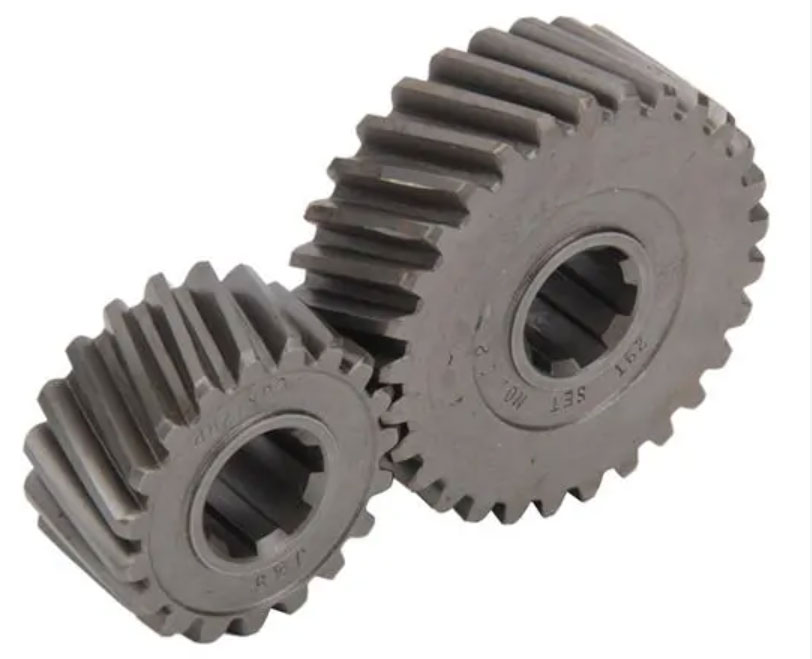
Designing high-performance helical gear systems requires careful consideration of various factors to ensure optimal efficiency, smooth operation, and reliability. Here are some key considerations to keep in mind during the design process:
1. Load Requirements:
- Determine the expected load conditions the gear system will encounter during operation. This includes both static and dynamic loads to ensure the gears can handle the stresses without failure or excessive wear.
2. Gear Material Selection:
- Choose the appropriate material for the helical gears based on the application and load requirements. Common gear materials include alloy steels, stainless steels, and special materials like case-hardened steels or other advanced materials for specific applications.
3. Helix Angle and Direction:
- Select the optimal helix angle and direction based on the desired performance. Higher helix angles generally result in smoother and quieter operation, while lower angles may offer higher load-carrying capacity.
4. Gear Tooth Profile and Accuracy:
- Determine the appropriate tooth profile, such as involute or trochoidal, based on the intended application and manufacturing capabilities. High-precision gear tooth profiles are essential for smooth engagement and efficient power transmission.
5. Lubrication and Cooling:
- Ensure adequate lubrication and cooling of the helical gears to minimize friction, reduce wear, and prevent overheating during operation. Proper lubrication also helps in noise reduction and ensures longer gear life.
6. Gearbox Design and Configuration:
- Consider the overall gearbox design and configuration to optimize gear meshing, minimize losses, and improve overall system efficiency. This includes selecting the appropriate gear ratios and arranging gears for efficient power transmission.
7. Noise and Vibration Reduction:
- Implement measures to reduce noise and vibration during gear operation. This may include optimizing the helix angle, gear tooth profiles, and gear meshing to minimize gear noise.
8. Tolerance and Quality Control:
- Ensure tight tolerances and high-quality control during gear manufacturing to achieve optimal gear performance and reduce variations between individual gears.
9. Surface Treatments and Coatings:
- Consider applying surface treatments or coatings to enhance gear performance, such as improving wear resistance, reducing friction, or enhancing lubrication retention.
10. Simulation and Prototyping:
- Utilize computer-aided design (CAD) software and gear simulation tools to model and optimize gear performance before production. Prototyping and testing are essential to validate the design and performance in real-world conditions.
11. Backlash and Gear Clearance:
- Design the gear system with appropriate backlash and gear clearance to ensure smooth meshing and prevent jamming or binding of the gears.
12. Alignment and Assembly:
- Pay attention to gear alignment and precision during assembly to minimize misalignment issues that can cause premature wear and reduce gear system efficiency.
By carefully considering these factors and tailoring the design to the specific application, engineers can create high-performance helical gear systems that deliver optimal efficiency, smooth motion, and long-lasting reliability for a wide range of industries and applications.