
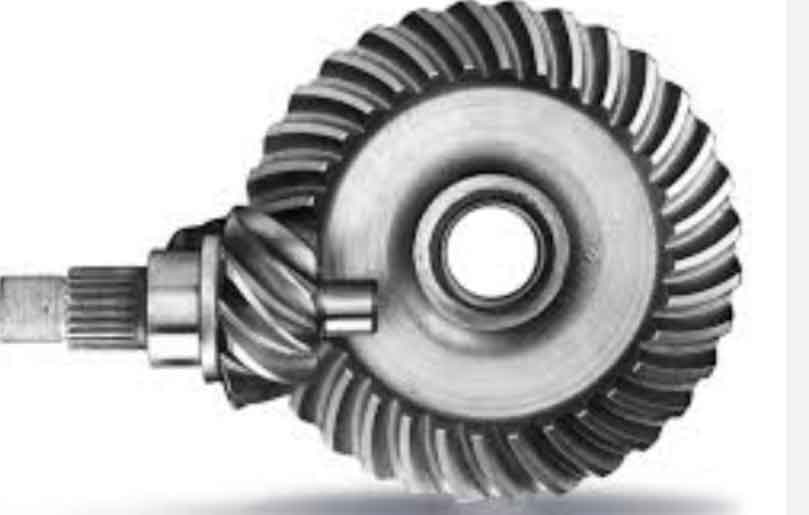
Designing hypoid gears for maximum load capacity and durability involves careful consideration of various design parameters and material choices. Here are some key factors to consider to achieve this goal:
1. Material Selection:
- Choose high-quality materials with excellent mechanical properties, such as high-strength steel alloys or specialized gear materials. The selected material should have high fatigue strength, wear resistance, and toughness to withstand heavy loads and prolong gear life.
2. Geometry and Tooth Profile:
- Optimize the gear tooth profile to distribute the load evenly along the tooth flank. The use of optimized tooth profiles, such as modified involute or conjugate tooth forms, can enhance load-carrying capacity and reduce stress concentrations.
3. Surface Treatment and Heat Treatment:
- Apply appropriate surface treatments, such as shot peening or nitriding, to improve surface hardness and resistance to wear. Additionally, utilize heat treatment processes like carburizing or induction hardening to achieve the desired case hardness for the gear teeth.
4. Contact Pattern Analysis:
- Conduct contact pattern analysis during the design phase to ensure proper gear meshing and minimize edge loading. Adjust the gear alignment and backlash to achieve the desired contact pattern for optimal load distribution.
5. Lubrication and Cooling:
- Provide efficient lubrication and cooling systems to ensure that the gear teeth operate within the desired temperature range. Proper lubrication helps reduce friction and wear, while adequate cooling prevents overheating during high-load conditions.
6. Fillet Radii and Root Fillet Design:
- Ensure appropriate fillet radii and root fillet design to reduce stress concentrations and the likelihood of fatigue failure at critical areas, such as gear tooth roots.
7. Finite Element Analysis (FEA):
- Employ FEA simulations to evaluate stress distributions and deformation in the gear under different load scenarios. This can help identify potential weak points and optimize the gear design for maximum strength and durability.
8. Robust Gearbox Housing:
- Design a robust gearbox housing that can withstand the applied loads and support the hypoid gears adequately. The housing should be rigid and dimensionally stable to maintain gear alignment under heavy loads.
9. Gear Geometry Optimization:
- Optimize the hypoid gear geometry, such as the offset angle and pinion cone distance, to enhance load-carrying capacity while maintaining smooth gear meshing and minimizing noise.
10. Real-World Testing and Validation:
- Conduct thorough real-world testing to validate the design and performance of the hypoid gears under actual operating conditions. This testing should include load tests, durability tests, and long-term performance evaluations.
By carefully considering these factors and using advanced engineering tools and analysis techniques, designers can create hypoid gears with maximum load capacity and durability, ensuring reliable and long-lasting performance in various industrial applications.