
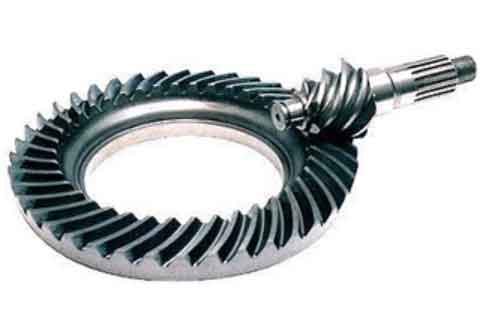
Designing hypoid gears requires careful consideration of various factors to ensure optimal performance. Here are some key considerations to keep in mind:
1.Gear Ratio:
Determine the desired gear ratio based on the specific application requirements. The gear ratio affects torque multiplication and the speed of the driven gear relative to the driving gear. Consider factors such as load conditions, desired output speed, and torque requirements.
2.Gear Geometry:
The tooth geometry plays a critical role in the performance of hypoid gears. It is important to choose the appropriate tooth profile and helix angle to ensure smooth engagement, minimize noise and vibration, and distribute the load evenly across the teeth. Computer-aided design (CAD) software and gear design standards can assist in achieving the desired geometry.
3.Load Capacity and Durability:
Analyze the expected loads and torque levels the hypoid gears will encounter. Consider factors such as the material properties, surface hardness, and heat treatment of the gear components. Conduct detailed stress and fatigue analyses to ensure the gears can withstand the anticipated loads and have sufficient durability.
4.Lubrication and Cooling:
Proper lubrication is crucial for minimizing friction, wear, and heat generation in hypoid gears. Select appropriate lubricants based on the operating conditions, such as temperature, speed, and load. Consider the lubrication system design and ensure effective cooling to prevent overheating.
5.Manufacturing Process:
Hypoid gears have complex geometries, and precision manufacturing is essential for optimal performance. Consider the appropriate manufacturing method, such as face milling or face hobbing, based on the gear size, accuracy requirements, and production volume. Pay attention to the alignment and setup of the gear manufacturing equipment to achieve accurate tooth contact and minimize misalignment.
6.Noise and Vibration:
Hypoid gears can generate noise and vibration due to their sliding action. Implement measures to reduce noise, such as optimizing the tooth geometry, using noise-damping materials, and employing vibration analysis techniques during the design phase. Gear testing and noise measurement can help identify and address any noise issues.
7.Backlash:
Backlash refers to the clearance between the mating teeth and can affect the accuracy and smoothness of gear operation. Minimize backlash by considering factors such as manufacturing tolerances, tooth profile modifications, and preload arrangements.
8.Gearbox Design Integration:
When designing hypoid gears, it is important to consider the overall integration within the gearbox or the system in which they will be used. Account for factors such as shaft alignment, bearing selection, housing design, and overall system efficiency to ensure seamless integration and optimal performance.
Validation and Testing:
Validate the design through computer-aided engineering (CAE) simulations and physical testing. Utilize gear analysis software to predict factors like tooth contact patterns, stress distribution, and load-carrying capacity. Conduct functional testing under realistic operating conditions to verify the performance and durability of the designed hypoid gears.
By considering these key factors, engineers can design hypoid gears that deliver optimal performance, durability, and efficiency in complex machinery applications.