
Designing quiet and smooth systems with helical gears requires careful consideration of several factors that affect gear performance and operation. Here are some key design considerations to achieve a quiet and smooth gear system using helical gears:
1. Helix Angle Selection:
Choose an appropriate helix angle for the helical gears. Lower helix angles generally result in smoother operation, but they may have reduced load-carrying capacity. Higher helix angles increase the load capacity but may generate more axial thrust and noise. Strike a balance between smoothness and load-carrying capacity based on the specific application requirements.
2. Gear Tooth Profile:
Use high-quality gear cutting methods to ensure precise and uniform tooth profiles. The involute tooth profile is commonly used for helical gears as it offers smooth and efficient gear engagement.
3. Gear Tooth Contact Pattern:
Ensure proper gear meshing with a well-centered tooth contact pattern. Adjust the gear alignment and backlash to achieve optimal gear meshing for reduced noise and wear.
4. Lubrication:
Proper lubrication is essential for minimizing friction and wear between gear teeth. Select a high-quality lubricant with the appropriate viscosity and film-forming properties to ensure smooth and quiet gear operation.
5. Surface Finishing:
Ensure the gear surfaces are properly finished to reduce friction and noise during gear engagement. High-quality surface finishing techniques can lead to quieter operation.
6. Noise Damping Materials:
Consider using noise-damping materials or coatings for the gear housing or mounting surfaces to reduce noise propagation.
7. Precision Manufacturing:
Ensure precise manufacturing and assembly of helical gears to minimize gear eccentricity, misalignment, and runout. These factors can cause gear noise and vibration.
8. Bearing Selection:
Choose high-quality bearings with low friction and noise characteristics to support the gears effectively. Bearings play a crucial role in overall gear system performance.
9. Gearbox Design:
In gearbox applications, consider the overall design of the gearbox to optimize gear arrangement and minimize noise and vibration transmission.
10. Load Distribution:
Design the gear system to distribute loads evenly across the gear teeth to prevent localized wear and noise.
11. Isolation and Vibration Damping:
In some applications, consider incorporating isolation and vibration damping measures to reduce the transfer of gear noise and vibrations to other parts of the system.
12. Helical and Worm Gear Combination:
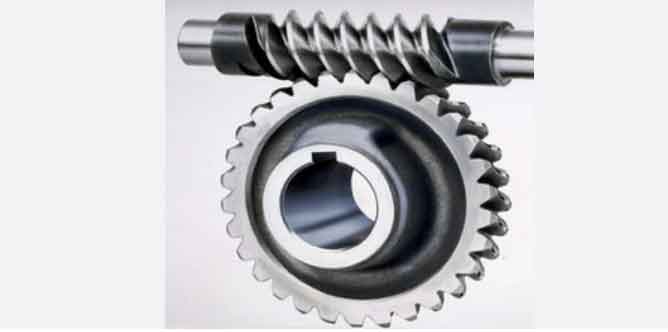
In certain applications, using a combination of helical and worm gears can further reduce noise and improve efficiency.
By carefully addressing these design considerations, engineers can create helical gear systems that operate quietly and smoothly. Reducing noise and ensuring smooth operation not only improves the user experience but also contributes to the overall reliability and longevity of the gear system. Additionally, regular maintenance and monitoring of gear performance can help identify any issues early on and prevent excessive wear or noise development.