
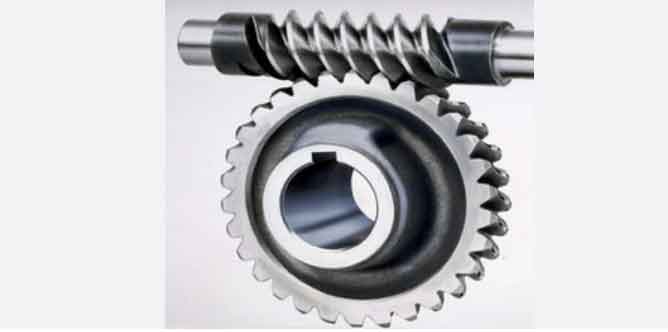
Designing optimal worm gear systems involves considerations for efficiency, precision, and reliability. Here are key factors to ensure high performance in worm gear systems:
1. Gear Material and Quality: Selecting the right gear material is crucial for the efficiency and durability of the worm gear system. High-quality materials with suitable hardness and wear resistance should be chosen to minimize friction and wear during operation.
2. Lubrication and Cooling: Proper lubrication is essential to reduce friction and heat generation in worm gear systems. The lubricant should have good adhesion and film-forming properties to ensure smooth and efficient operation. Cooling systems may also be incorporated to dissipate heat generated during high-speed or heavy-duty operations.
3. Gear Geometry and Tooth Profile: Optimizing the gear geometry and tooth profile is critical for achieving efficiency and precision in worm gear systems. Ensuring the correct tooth profile and meshing characteristics can minimize frictional losses and improve torque transmission.
4. Gear Ratio and Efficiency: Careful selection of the gear ratio is essential to balance speed reduction requirements with efficiency. Higher gear ratios provide greater torque multiplication but can also lead to reduced efficiency due to higher sliding friction. The gear ratio should be chosen based on the specific application’s requirements.
5. Worm Lead Angle: The lead angle of the worm (helix angle) plays a significant role in the efficiency of the worm gear system. An appropriate lead angle can improve meshing efficiency and reduce sliding friction, leading to higher efficiency and smoother operation.
6. Backlash and Clearance: Minimizing backlash and clearance between the worm and worm gear teeth is crucial for precise and responsive motion control. Reduced backlash ensures better repeatability and accuracy in positioning applications.
7. Materials and Heat Treatment: Using high-quality materials and employing suitable heat treatment processes can enhance the wear resistance and load-carrying capacity of worm gears, ensuring they can withstand the demands of the application.
8. Bearing and Support Arrangements: Choosing the right bearings and support arrangements for the worm and worm gear ensures smooth operation and reduces energy losses due to friction.
9. Alignment and Assembly: Proper alignment and assembly of the worm gear system are critical for achieving optimal performance. Accurate alignment minimizes misalignment losses and ensures even distribution of loads on the gear teeth.
10. Efficiency and Power Loss Analysis: Conducting efficiency and power loss analysis during the design phase helps identify potential areas for improvement and allows for the optimization of the worm gear system.
By considering these factors during the design phase, engineers can create worm gear systems that offer high efficiency, precision, and reliability for a wide range of applications. Regular maintenance, periodic inspections, and proper lubrication during operation are also essential to ensure the long-term performance and reliability of the worm gear system.