
As a professional engaged in the inspection and analysis of elevator systems, I have encountered numerous cases involving the failure of critical components. Among these, the wear and tear of worm gears in traction machines is a recurring issue that poses significant safety risks. Worm gears are integral to the operation of geared traction elevators, particularly those with higher rated loads, such as freight elevators. Their design offers advantages like high transmission ratios, low noise, smooth operation, and reliable performance. However, prolonged use and inadequate maintenance can lead to severe wear, compromising transmission accuracy and efficiency, and potentially causing accidents. In this article, I will delve into a detailed analysis of a specific failure case, exploring the root causes through material science and lubricant performance evaluations, and provide recommendations to mitigate such risks.
The case involves a passenger elevator with a geared traction machine, manufactured in 2008, with a rated load of 1050 kg and a speed of 1.75 m/s. This elevator served a 16-story building with 14 landings and 14 doors, and it experienced high usage frequency, often transporting goods, leading to complex operational conditions. During routine monitoring, I observed abnormal noises and vibrations emanating from the traction machine during operation. Initial acoustic assessment pointed to issues within the减速机 (gearbox) section. Upon opening the inspection port of the gearbox, I found severe wear on the tooth surfaces of the worm gear. The lubricating oil appeared浑浊 (cloudy) and contained visible impurities, indicating contamination. Additionally, there was noticeable oil leakage, with the oil level falling outside the normal range. These observations prompted a comprehensive failure analysis to determine the underlying causes and prevent future occurrences.
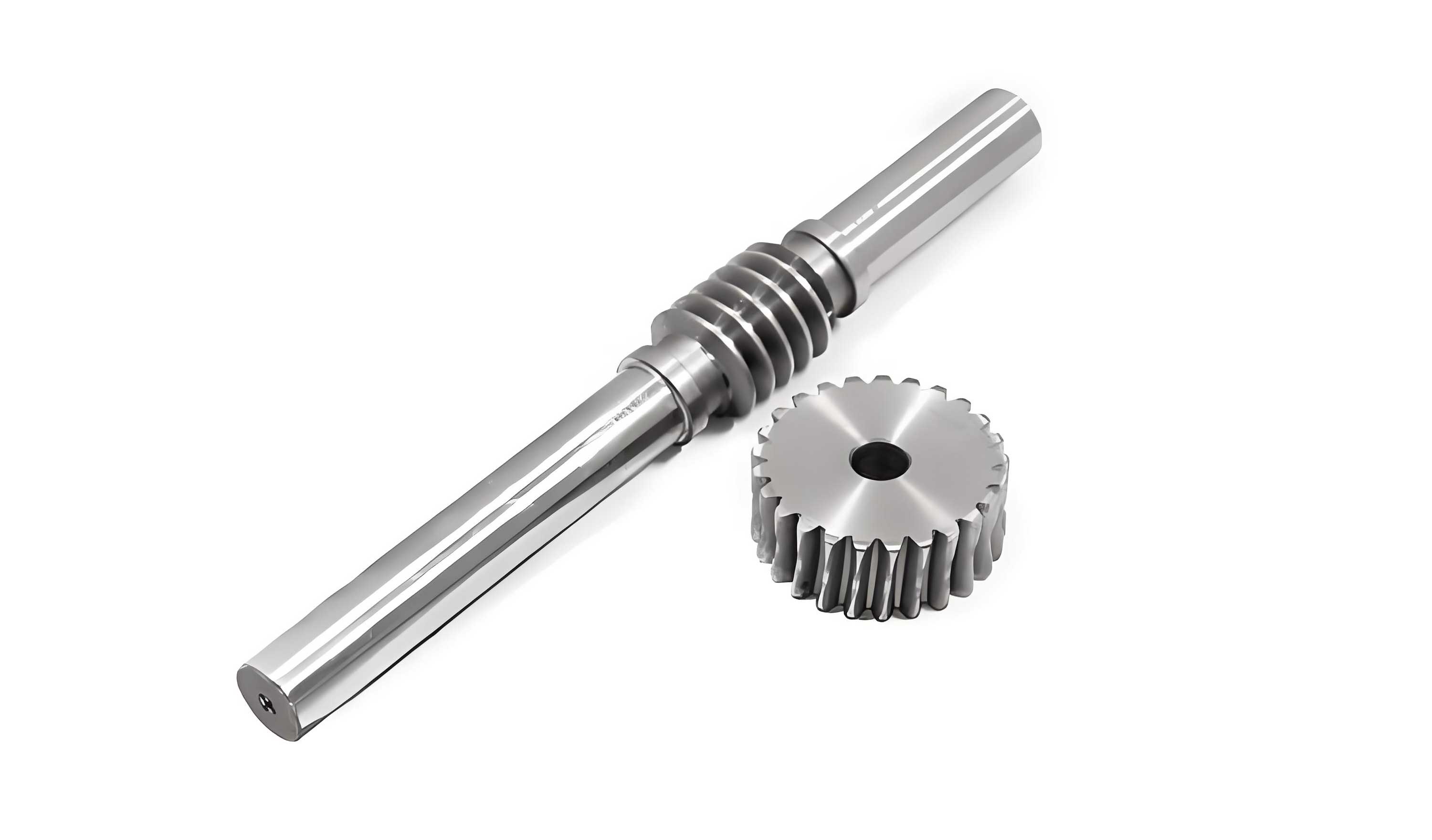
The primary focus of the analysis was on the worm gear itself, as its deterioration was the most apparent. Worm gears in such applications are typically made from bronze alloys, known for their耐磨性 (wear resistance) and compatibility with steel worms. To assess the material integrity, I performed spectroscopic analysis to determine the chemical composition of the worm gear material. The results are summarized in the table below, which details the major and impurity elements present.
| Element | Content (wt.%) | Category |
|---|---|---|
| Sn | 10.53 | Major |
| P | 0.321 | Major |
| Cu | 87.7 | Major |
| Ni | 0.704 | Major |
| Al | 0.0025 | Impurity |
| Fe | 0.0002 | Impurity |
| Mn | 0.0002 | Impurity |
| Pb | 0.501 | Impurity |
| S | 0.0193 | Impurity |
| Sb | 0.0606 | Impurity |
| Si | 0.0006 | Impurity |
Based on this composition, the material was identified as a tin bronze, commonly used for worm gears. While the exact alloy牌号 (grade) was not disclosed due to proprietary reasons, it closely resembles standard materials such as ZCuSn10P1 per GB/T 1176-2013 or CuSn11P per DIN EN 1982-1998. These standards specify minimum tensile strengths, typically around 330-360 MPa for centrifugal or continuous casting. To verify that material deficiency was not a factor, I conducted mechanical性能测试 (performance testing) on samples extracted from the worm gear. The samples were machined into test bars and subjected to tensile testing using standard equipment. The resulting stress-strain curve provided valuable data, and the key parameters are tabulated below.
| Parameter | Value |
|---|---|
| Original Diameter (mm) | 8.04 |
| Maximum Force (kN) | 23.004 |
| Tensile Strength (MPa) | 453.1 |
| Elongation at Break (%) | 44.3 |
The tensile strength of 453.1 MPa and elongation of 44.3% exceed the typical requirements for tin bronze worm gears, indicating that the material itself was not substandard. This led me to conclude that the severe wear was not attributable to inherent material flaws. Consequently, I shifted my investigation to the lubricating oil, as its condition plays a pivotal role in the performance and longevity of worm gears. Proper lubrication is essential for forming a protective film between the worm and gear teeth, reducing friction, wear, and heat generation.
I collected oil samples from the faulty traction machine and submitted them for comprehensive物理化学分析 (physicochemical analysis). The analysis included光谱测定 (spectral determination) to identify and quantify metallic impurities suspended in the oil. The results, presented in the table below, reveal significant concentrations of elements primarily associated with the worm gear material, such as copper (Cu), tin (Sn), and phosphorus (P).
| Element | Concentration (ppm) |
|---|---|
| P | 213 |
| Zn | 31 |
| Fe | 69 |
| Cu | 2497 |
| Pb | 24 |
| Sn | 406 |
| Ni | 15 |
The high levels of Cu and Sn (2497 ppm and 406 ppm, respectively) are direct evidence of excessive wear from the worm gears. These metallic particles act as abrasives, accelerating further wear and contaminating the oil. The analytical report recommended investigating the wear根源 (root cause) and implementing corrective measures to reduce wear rates. Beyond impurity content, the viscosity of the lubricant is a critical性能指标 (performance indicator). For worm gears, higher viscosity oils are generally preferred to maintain a robust油膜 (oil film) under heavy loads. I performed viscosity measurements according to GB/T 265-1988, “Determination of Kinematic Viscosity and Calculation of Dynamic Viscosity of Petroleum Products.” The method involves using a calibrated viscometer immersed in a constant-temperature bath and measuring the flow time of the oil sample. The kinematic viscosity \( v_t \) at 40°C is calculated using the formula:
$$ v_t = c \cdot \tau_t $$
where \( c \) is the viscometer constant (in mm²/s²) and \( \tau_t \) is the average flow time (in seconds). For this analysis, the viscometer constant was 0.1967 mm²/s². I compared the viscosity of the oil from the severely worn worm gears unit with that from a similar elevator unit operating normally in the same building. The results are summarized below.
| Traction Machine Condition | Viscometer Constant \( c \) (mm²/s²) | Flow Time \( \tau_t \) (s) | Kinematic Viscosity \( v_t \) at 40°C (mm²/s) |
|---|---|---|---|
| Severe Worm Gears Wear | 0.1967 | 1199 | 235.84 |
| Normal Operation | 0.1967 | 1373 | 270.07 |
The data clearly shows that the viscosity of the contaminated oil (235.84 mm²/s) is lower than that of the clean oil from the正常运行的 (normally operating) unit (270.07 mm²/s). This reduction in viscosity compromises the oil’s ability to form an effective lubricating film. The presence of abrasive metallic particles further degrades the film, leading to increased金属对金属接触 (metal-to-metal contact),摩擦 (friction), and wear. This creates a vicious cycle: wear generates more contaminants, which further降低 (reduce) lubricant effectiveness, accelerating wear. Additionally, the contaminants can damage bearings, causing noise and premature failure, and abrade oil seals, leading to leaks—exactly as observed in this case with the oil leakage issue.
From this analysis, I concluded that the primary cause of the worm gears failure was the severe wear of the gear teeth面 (surfaces), precipitated by degraded lubricant performance. The lubricant had become contaminated with wear debris, lost its requisite viscosity, and failed to provide adequate protection. This condition likely persisted due to inadequate maintenance, specifically the failure to replace the lubricant as per the manufacturer’s recommendations. Regular maintenance is paramount for worm gears systems, as outlined in regulations like TSG T5002-2017, which mandates periodic checks and changes of减速机润滑油 (gearbox lubricating oil) based on the equipment’s usage and manufacturer guidelines.
Upon identifying the failure cause, immediate action was required. I advised the elevator owner to take the unit out of service immediately. Continuing operation with such severely worn worm gears posed a high risk of catastrophic failure, such as tooth breakage. Since the brake in a geared traction machine is typically located on the high-speed side (worm shaft), a failure of the worm gear could result in loss of control, leading to elevator overtravel (冲顶 or下坠). The remediation plan involved replacing the entire worm gears set with a new, certified unit of identical specifications from a专业制造商 (specialized manufacturer). Given the potential impact of contaminants on surrounding components, it was also prudent to replace the bearings associated with the worm gears assembly. Furthermore, the lubricant was to be completely flushed and refilled with the recommended grade—in this case, a 220号中负荷工业齿轮油 (220号 medium-load industrial gear oil) or an equivalent meeting the performance specifications. All oil seals, especially those at the worm shaft and main shaft extensions, were to be replaced to address the leakage. Ensuring all covers and joints were tightly sealed was also part of the corrective action to prevent future leaks.
This case underscores the importance of proactive maintenance for电梯曳引机 (elevator traction machines) employing worm gears. While inspection rules for电梯监督检验和定期检验 (elevator supervision and periodic inspection) often focus on general operational noise and vibration, they may not explicitly mandate detailed lubricant analysis. However, as demonstrated, lubricant condition is a critical健康指标 (health indicator). I recommend that inspectors and maintenance personnel pay close attention to lubricant状况 (condition) during routine checks. Maintenance records should be meticulously reviewed to verify compliance with lubricant change intervals specified in the使用维护说明书 (operation and maintenance manual). For older elevators or those under high-stress operations like freight service, more frequent lubricant analysis—including viscosity measurements and spectrometric oil analysis—can provide early warning of worm gears wear. Implementing a condition-based maintenance strategy can prevent severe failures and extend the service life of these vital components.
In summary, the reliability of worm gears in elevator traction machines is fundamental to overall system safety. Severe wear, often manifested through abnormal noise and vibration, is frequently linked to lubricant degradation and contamination. Through material analysis, we can排除 (rule out) inherent defects, while lubricant analysis reveals the operational wear dynamics. The viscosity formula $$ v_t = c \cdot \tau_t $$ serves as a simple yet powerful tool to monitor lubricant health. Ensuring the use of correct lubricant grades, maintaining proper oil levels, and adhering to scheduled changes are essential practices. Furthermore, elevator stakeholders—owners, maintainers, and inspectors—must collaborate to enforce maintenance protocols rigorously. By prioritizing the care of worm gears and their lubrication systems, we can significantly reduce the incidence of costly failures and enhance the safety and reliability of elevator operations. Worm gears, though robust, demand respect and attention; their silent, smooth operation is a testament to proper maintenance, and their failure, as analyzed here, is a stark reminder of the consequences of neglect.